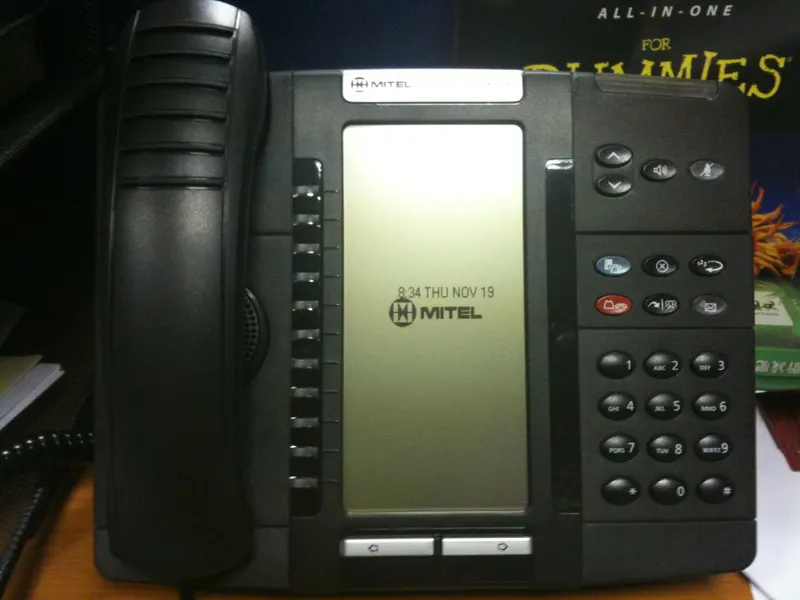

Porting lets your business keep its phone numbers when changing carriers or moving from landlines to VoIP or wireless. The process succeeds or fails on preparation: an accurate inventory of numbers and services, account records that match the losing carrier's files exactly, and a cutover sequenced so the old service stays live until the new one answers. This guide walks through each step.
A business phone number is one of the few assets that appears on your signage, your invoices, your vehicle wraps, your Google Business Profile, and in the contacts app of every customer you have ever served. So it is entirely rational that "will we lose our number?" is the first question owners ask when a carrier change comes up — and the reason many stay for years on service that no longer fits. The reassuring answer: in the United States, you generally have the right to take your numbers with you, and the FCC publishes consumer guidance on how porting between providers works. The realistic answer: porting is a process with specific failure modes, and the businesses that sail through it are the ones that prepare before anyone submits anything.
What porting actually is
Number porting is the transfer of a telephone number from one service provider (the "losing" carrier) to another (the "gaining" carrier). It works across technologies, not just between similar services — numbers move from copper landlines to VoIP platforms, from one wireless carrier to another, and from a fixed line to a mobile service. The new provider initiates the request, the old provider verifies it against its records, and once both sides complete their steps, calls to your number route to the new service.
Two structural facts shape everything else. First, the gaining carrier drives the process — you ask your new provider to pull the number, rather than asking the old one to release it. Second, verification is record-matching: the losing carrier compares the request against the account information in its files, and mismatches are the single most common reason ports get rejected and delayed.
Step 1: Inventory every number and everything riding on it
Before touching any paperwork, build a complete list. Businesses are routinely surprised by what they find:
- Main and rollover numbers. The published number plus any hunt-group or rollover lines behind it.
- Direct lines. Individual extensions or direct-dial numbers for staff.
- Fax numbers. Often forgotten until the day after cutover.
- Numbers embedded in devices. Alarm panels, elevator phones, gate intercoms, and older payment terminals may dial out on lines nobody has thought about in years.
- Toll-free numbers. These port through their own process and should be listed separately.
- Numbers you can retire. A port is the natural moment to drop lines nobody uses — if you have never counted what your business actually needs, our guide to how many phone lines a company really needs is the right pre-port exercise.
For each number, note what depends on it. A number that looks idle on the bill may be the one your alarm monitoring dials.
Step 2: Gather and verify account records
Now collect the information the losing carrier will check the port request against: the exact business name on the account (legal name versus trade name matters), the service address as the carrier has it, the account number, and any security PIN or passcode on the account. The most reliable source is a recent bill or a customer service record (CSR) from the current carrier — many businesses request one specifically to see what the carrier's file actually says.
This step deserves pedantic care. "Forward Konnect Consulting LLC" versus "Forward Konnect" in the account-name field, or a suite number formatted differently, can be enough for a rejection. Also check for port-out protection features: account locks or freezes that were enabled — sometimes years ago, sometimes by a previous office manager — must be removed before a port can proceed. If the account has an unpaid balance or is mid-dispute, resolve that first; an account in bad standing invites complications.
Step 3: Choose the destination and design the target setup
A port is a one-time disruption window, so decide where you are going before you start moving. If you are leaving landlines, the usual destination is a VoIP platform — the trade-offs are covered in our comparison of VoIP and traditional landline service — and the new service should be fully configured before the numbers arrive: users created, call routing and auto-attendant built, devices or apps installed, and test calls placed on temporary numbers. Landing a ported number on an unconfigured system is how businesses turn a clean port into a chaotic week.
This is also the moment to think one level up. If you are already changing phone carriers, it may be the natural time to consider whether internet and wireless should move in the same direction — our article on when telecom consolidation makes sense covers that decision. And if you have not yet settled on the overall shape of your phone setup, start with the wider view of business phone line options in Dallas before committing numbers anywhere.
Step 4: Submit the port and let the carriers coordinate
With records verified and the destination ready, the new provider submits the port request, typically supported by a letter of agency (LOA) — your written authorization for them to act on your behalf — and a copy of a recent bill. From there, the process is carrier-to-carrier coordination: the losing carrier validates the request, a port date is scheduled, and on that date routing for the number switches over.
How long this takes varies with the type and number of lines, the carriers involved, and how clean the records are — simple wireless ports tend to move faster than multi-line business ports, and complex accounts take longer. Treat any date as a target to plan around, not a guarantee, and build your cutover plan so that a date shift is an inconvenience rather than an outage. One rule is absolute: do not cancel the old service yourself. Cancelling before the port completes can cause the number to be released rather than transferred. The port itself closes out service on the ported lines; any remaining cleanup on the old account happens after you confirm the numbers have landed.
Step 5: Sequence the cutover so customers never hit silence
Customer disruption is not caused by porting; it is caused by unmanaged cutovers. A clean sequence looks like this:
| Phase | What happens | What customers experience |
|---|---|---|
| Before port date | New system fully built and tested on temporary numbers | Nothing — old service answers as usual |
| Port window | Routing switches; team monitors with test calls from cell phones | At most a brief transition on inbound calls |
| Contingency | If anything misroutes, temporary forwarding bridges the gap while carriers resolve it | Calls still reach a live answer point |
| After confirmation | Old account reviewed; non-ported services cancelled in writing | Nothing — same number, new plumbing |
Schedule the switch for your lowest-traffic period, brief the team on what to check, and keep someone testing inbound calls, outbound caller ID, voicemail, and any fax or alarm lines through the window. Afterward, review the final bills from the old carrier to confirm the ported lines closed correctly and nothing kept billing.
Special cases worth flagging early
A few situations add wrinkles to the standard process, and knowing about them up front keeps them from becoming surprises mid-port.
Toll-free numbers transfer through their own mechanism, handled by responsible organizations rather than the local number process — list them separately in your inventory and tell the gaining carrier about them explicitly. Office moves deserve caution: portability is tied to geography and rate centers, so a number may or may not be portable to a new service area. If a relocation and a carrier change are happening together, confirm portability for the new address before signing a lease assumption about it. Numbers on personal accounts — the classic case is an owner's cell that became the business line — can be ported, but the account holder must authorize the transfer, and untangling a business number from a personal wireless account is easier before the port than after. Remote workers' lines on a VoIP platform ride along with everything else, but check that emergency-address information gets registered correctly for each user's actual location on the new system.
Tell your own team before you tell the carriers
The most overlooked constituency in a port is your own staff. Before the port date, everyone who answers phones should know three things: the date and window of the switch, what should look and sound different afterward (new handsets or apps, new voicemail access, new transfer procedure), and who to tell immediately if a caller reports reaching silence or a wrong destination. Assign one person as the cutover coordinator — the single point where problems get reported and decisions get made.
After the numbers land, do the outward-facing sweep: confirm your Google Business Profile, website, social profiles, and directory listings still show the right number (they should — the number did not change — but caller-ID display names and text-message capability are worth verifying), send a routine "nothing changes for you" note to key accounts if the transition includes new hours menus or routing, and update any call-tracking numbers your marketing relies on.
Where things go wrong — and how to keep them boring
Nearly every porting horror story traces to one of five causes: mismatched account records, an undiscovered port freeze, cancelling old service too early, an unconfigured destination system, or a forgotten dependent device (the fax that "stopped working" was on a line nobody listed). Every one of them is preventable in the preparation stage, which is why this article spends more words on steps one and two than on the port itself.
This is also where a coordinator earns their keep. Forward Konnect manages ports as part of phone transitions for Dallas businesses — building the inventory, pulling and verifying records, preparing the destination system, and staying on both carriers until every number lands. If you are planning a move, our Dallas business phone lines service is the place to start, and for teams heading to VoIP specifically, the business VoIP page outlines how we design the destination before anything ports.
Bottom line
You can almost always keep your business numbers — porting rights cover moves between carriers and between technologies. Success is decided before submission: inventory every number and every device that depends on one, make your port request match the losing carrier's records to the letter, clear any account freezes, and have the destination system built and tested in advance. Never cancel old service before confirmation, treat scheduled dates as planning targets rather than promises, and sequence the cutover with forwarding as a safety net. Do that, and the most feared step of changing phone service becomes the least eventful one.